To check a second-hand mattress for bed bugs in the UAE, strip it bare and inspect every seam, tag, and corner using a flashlight. Look for live bugs (apple seed-sized, reddish brown), rust-colored blood stains, tiny dark fecal spots, shed skins, and a musty-sweet odor. Pay extra attention to piping, tufts, and the underside. If you find any of these signs, do not bring the mattress indoors.

Why This Matters More in the UAE Than You Think
Buying second-hand furniture in the UAE has become incredibly common. From platforms like Dubizzle and Facebook Marketplace to weekend garage sales in Jumeirah and Mirdif, pre-loved mattresses change hands every single day. The hot and humid climate in cities like Dubai, Abu Dhabi, Sharjah, and Ajman creates an environment where Cimex lectularius (the common bed bug) thrives year-round.
Unlike many countries where bed bug season is seasonal, the UAE’s warm indoor temperatures and high-traffic residential buildings mean infestations can spread quickly from one apartment to an entire floor. A single infested second-hand mattress brought home from Dragon Mart or a Satwa thrift shop can result in a full-blown infestation that costs thousands of dirhams to treat professionally.
This guide is for anyone in the UAE who is tempted by a great deal on a used mattress and wants to know exactly what to look for before making that purchase.
Understanding Bed Bugs: What You Are Actually Looking For
Before you know how to spot the problem, you need to know what bed bugs actually are. Bed bugs are small, flat, wingless parasitic insects that feed exclusively on blood. They are nocturnal and extremely good at hiding in tight spaces, which is exactly why mattresses are their preferred home.
Here is what each sign looks like in practical terms:
Live Bed Bugs: Adult bed bugs are about 4 to 5 millimeters long, oval-shaped, and reddish-brown in color. After feeding, they become darker and more swollen. Nymphs (juvenile bedbugs) are smaller and almost translucent, making them harder to spot.
Fecal Spots These look like tiny dots made by a black marker pen or ink. They are digested blood deposits and tend to cluster in groups near where bugs congregate. These spots do not wipe off cleanly and will smear if you rub them with a damp cloth.
Blood Stains Small rust or reddish brown stains on the mattress fabric are usually caused when a bed bug is accidentally crushed during sleep. These are a strong indicator.
Shed Skins (Exuviae) Bed bugs shed their outer skin five times before reaching adulthood. These pale, translucent husks collect in seams and crevices.
Eggs and Eggshells Bed bug eggs are tiny (about 1 mm), white, and look like a grain of rice under magnification. They are often found in clusters inside seams and tufts.
The Musty Odor: A heavy infestation will produce a distinct sweet, musty smell, often compared to almonds or coriander. If the mattress smells unusual, treat that as a red flag.

What You Need Before You Start the Inspection
You do not need expensive equipment. Here is a basic kit you can put together before inspecting any second-hand mattress:
A bright flashlight or torch (your phone’s torch works well for minor checks, but a proper LED flashlight gives better coverage). A pair of disposable gloves to protect your hands and avoid transferring anything. A thin, flat tool like a credit card or a plastic putty knife to run along seams and create crevices for inspection. Use a magnifying glass if your eyesight is not strong. A white sheet of paper or a white cloth to place underneath the mattress while you inspect, so any bugs or debris that fall out become visible.
What You Need Before You Start the Inspection
You do not need expensive equipment. Here is a basic kit you can put together before inspecting any second-hand mattress:
A bright flashlight or torch (your phone’s torch works well for minor checks, but a proper LED flashlight gives better coverage). A pair of disposable gloves to protect your hands and avoid transferring anything. A thin, flat tool like a credit card or a plastic putty knife to run along seams and create crevices for inspection. Use a magnifying glass if your eyesight is not strong. A white sheet of paper or a white cloth to place underneath the mattress while you inspect, so any bugs or debris that fall out become visible.
Step-by-Step: How to Inspect a Second-Hand Mattress for Bed Bugs
Step 1: Inspect Before It Moves
The best time to check is before the mattress is loaded into a vehicle. Once bed bugs are disturbed during transport, they scatter. If you are buying from someone’s apartment in Al Barsha or a villa in Muweilah, ask to inspect the mattress in place before agreeing to purchase.
Step 2: Remove All Covers and Toppers
If the mattress has a protector, topper, or any cover, remove it completely. Inspect those items separately because infestations often start or hide in mattress covers first.
Step 3: Examine the Seams in Bright Light
The seams along the edges of the mattress are the most common hiding spots. Run your gloved finger along every seam and use the flashlight to look inside the stitching. You are looking for fecal spots, shed skins, eggs, or live bugs at this stage.
Step 4: Check the Piping and Tufts
The piping is the thick border running around the edge of the mattress. The tufts are the fabric buttons or ties on the surface. Both of these are favorite hiding locations because they create small, dark pockets. Press gently on the tufts and inspect around them closely.
Step 5: Flip the mattress and check the underside.
The underside of a mattress is often the most heavily infested area because it stays dark and undisturbed for long periods. Flip it carefully, ideally onto your white cloth, so anything that falls out is visible. Inspect the bottom fabric, the support frame area, and any ventilation holes.
Step 6: Check the Label and Tag Area
The area around the care label is a known hiding spot. It creates a small flap of fabric that bugs love to nest behind.
Step 7: Smell the mattress.
Put your nose close to the surface, particularly around the seams and underside. A strong musty or sweet odor is a warning sign, even if you cannot see visible evidence.
Step 8: Run the Credit Card Test
Drag the edge of a credit card along the seams while holding your white paper underneath. If bedbugs, fecal matter, or eggs are present, they will often fall out onto the paper where they become clearly visible.
High-Risk Areas to Focus On
Not all parts of a mattress carry equal risk. The following zones deserve the most attention during your inspection:
The eight corners of the mattress where seams meet. The full perimeter piping on both the top and bottom. Around and beneath all fabric labels and tags. Any torn or worn areas of the fabric where bugs can enter. Ventilation holes if it is a foam or hybrid mattress. The entire underside fabric panel, particularly the center.
Red Flags That Mean You Should Walk Away Immediately
Some signs are so clear that no amount of negotiation on price makes the risk worth it. Walk away without hesitation if you see any of the following:
Multiple ladybugs are visible without needing to search too hard. Heavy clustering of fecal spots covering large areas of the seams. Dozens of shed skins suggesting a long-term established colony. A very strong musty odor even before you begin a close inspection. The seller is unwilling to let you inspect the mattress properly or seems nervous about you looking closely at it.
What to Do After Bringing a Used Mattress Home in the UAE
Even if your inspection went well and you found no signs, it is smart practice to take precautionary steps before the mattress enters your bedroom.
Steam Treatment: A good quality garment or upholstery steamer can kill bed bugs and their eggs on contact when the steam temperature exceeds 48 degrees Celsius. Go over the entire surface, paying attention to seams and tufts.
Mattress Encasement Invest in a high-quality, bed bug proof mattress encasement. Brands like AllerEase and SafeRest are available in the UAE through platforms like Amazon.ae and Noon. An encasement traps any remaining bugs inside, where they eventually die, and prevents new ones from entering.
Isolation During Transport: If possible, transport the mattress wrapped in plastic sheeting. This prevents any hidden bugs from entering your vehicle or home during the move.
Spray Treatment: Diatomaceous earth is a natural, food-grade powder that destroys bed bugs by damaging their exoskeleton. You can dust it along the edges and underside before encasing the mattress. This is available in garden and hardware stores in Deira and Bur Dubai.
Monitor for two weeks after bringing any second-hand mattress home; place bed bug interceptors (cup-shaped traps) under each leg of your bed frame. Check them every few days for the first two weeks. These are available from pest control suppliers across the UAE.
Bed Bug Treatment Costs in the UAE: What You Risk by Getting It Wrong
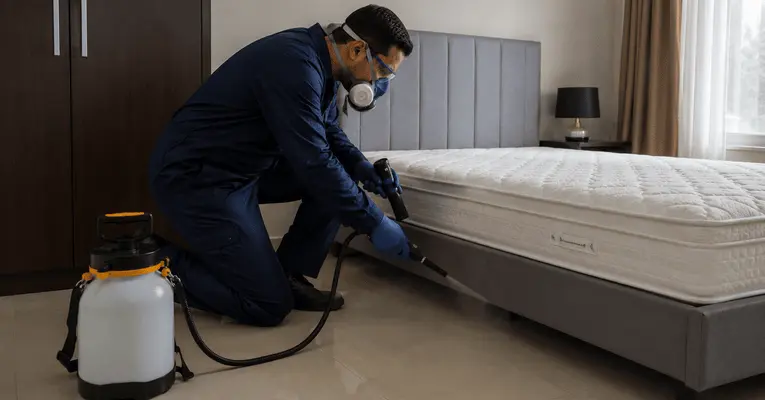
If you do bring home an infested mattress and miss the signs, the consequences are financially significant. Professional pest control companies in the UAE such as Rentokil Initial, Terminix UAE, and local services in Dubai and Abu Dhabi charge between AED 500 and AED 3,000 or more for a full bed bug treatment depending on the severity and size of the property. Multiple treatment sessions are often required because bed bug eggs are resistant to standard pesticides.
Beyond the cost, a bed bug infestation causes sleep disruption, psychological stress, and, in some sensitive individuals, skin reactions from bites that can be mistaken for mosquito bites, rashes, or allergic responses. Residents in apartment buildings in areas like Deira, Al Nahda, and International City are particularly at risk because infestations can spread through wall gaps, electrical outlets, and shared laundry facilities.
Common Questions People Ask About Bed Bugs in Second-Hand Mattresses
Can bed bugs survive in a hot car in the UAE? Yes, and this is actually a common misconception. While temperatures above 49 degrees Celsius kill bed bugs, the inside of a car in the UAE can reach these temperatures, but only if the car is parked in direct sun for an extended period with no ventilation. Bugs deep inside mattress seams may survive because the heat does not penetrate evenly.
How long can bed bugs live in a mattress with no host? Under the right conditions, bed bugs can survive 20 to 400 days without a blood meal. In the controlled indoor temperatures of a UAE apartment, they can survive for several months without feeding, which means an apparently abandoned mattress can still be fully infested.
Can I tell by looking at the previous owner’s home? A clean and tidy home does not mean it is bed bug free. Infestations occur in five-star hotels and luxury apartments just as frequently as anywhere else. Bed bugs do not care about cleanliness. They care about warmth and access to blood.
Are memory foam mattresses safer to buy second-hand? Memory foam mattresses do not provide the fabric seams and crevices that traditional spring mattresses do, but they are not immune. Bugs can still hide along the edges, under the cover, and in any foam imperfections or tears.
Buying Second-Hand Mattresses Safely in the UAE: Best Practices
If you regularly shop for second-hand furniture in the UAE, build these habits into your routine:
Always inspect in natural or strong artificial light before agreeing to a purchase. Never accept a mattress that is already wrapped or covered and the seller is reluctant to unwrap it for inspection. Ask how old the mattress is and whether there was ever a bug problem in the home. Buy from sellers who have multiple reviews and a verifiable history on platforms like Dubizzle. Consider using services from UAE-based furniture resellers who offer hygiene certifications or professional cleaning before resale, such as certain verified second-hand furniture stores in Al Quoz.
Final Word
A second-hand mattress in the UAE can be a smart, sustainable purchase, or it can be the beginning of a nightmare infestation. The difference is five to ten minutes of careful inspection before you commit. The signs of bed bugs are consistent and learnable. With a flashlight, a pair of gloves, and the knowledge of what to look for and where to look for it, you can make an informed decision and protect your home, your sleep, and your wallet.
If you ever have any doubt after your inspection, the safest answer is always to walk away. A good deal on a mattress is never worth the risk of introducing Cimex lectularius into your bedroom in a country where the warm climate makes control significantly harder.